Spotting trouble before a leak starts
Across North Carolina, the weather can surprise you. A roof is a long term investment, and early signs can save a lot of trouble. The first clue is usually inside the house, not on the roof. Dark stains on ceilings or walls often point to a roof issue that needs a closer look by roofers. If you see curved or peeling paint near a vent or attic access, that can signal moisture migrating from above. Pay attention to attic warmth after a rain too. If warm air is escaping, it can mean insulation or ventilation problems that impact the roof system.
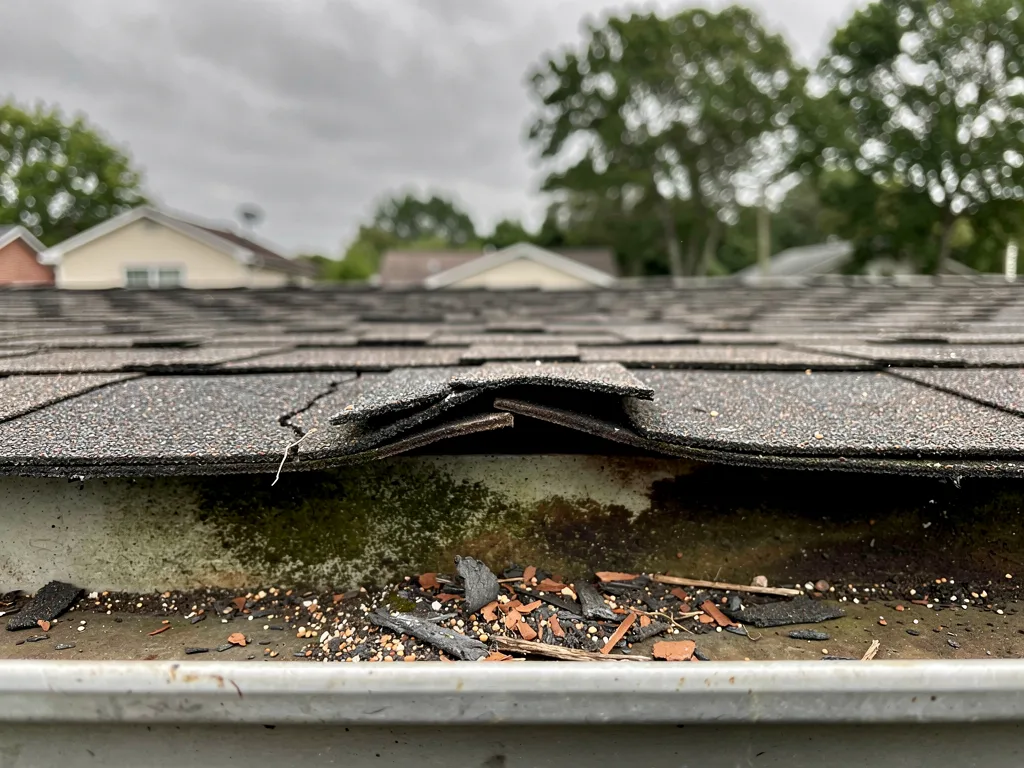
Look up from the ground and scan for visible problems. Missing shingles, curling edges, or shingles that look like they’re buckling are red flags. Hail damage or storm debris may leave pockmarks on shingles that aren’t immediately visible from the ground. In North Carolina, humidity and storms can push moisture into spots you don’t expect, so check the flashing around chimneys and vents for gaps or corrosion.
Physical signs to verify
Water staining on the attic side of the roof deck is another signal roofers take seriously. A musty smell or visible mold in the attic also suggests moisture intrusion. If gutters are overflowing or sagging after a storm, it can cause water to back up under the edge of the roof. These signs aren’t something to shrug off; they usually indicate a problem that needs professional attention from roofers who understand North Carolina conditions.
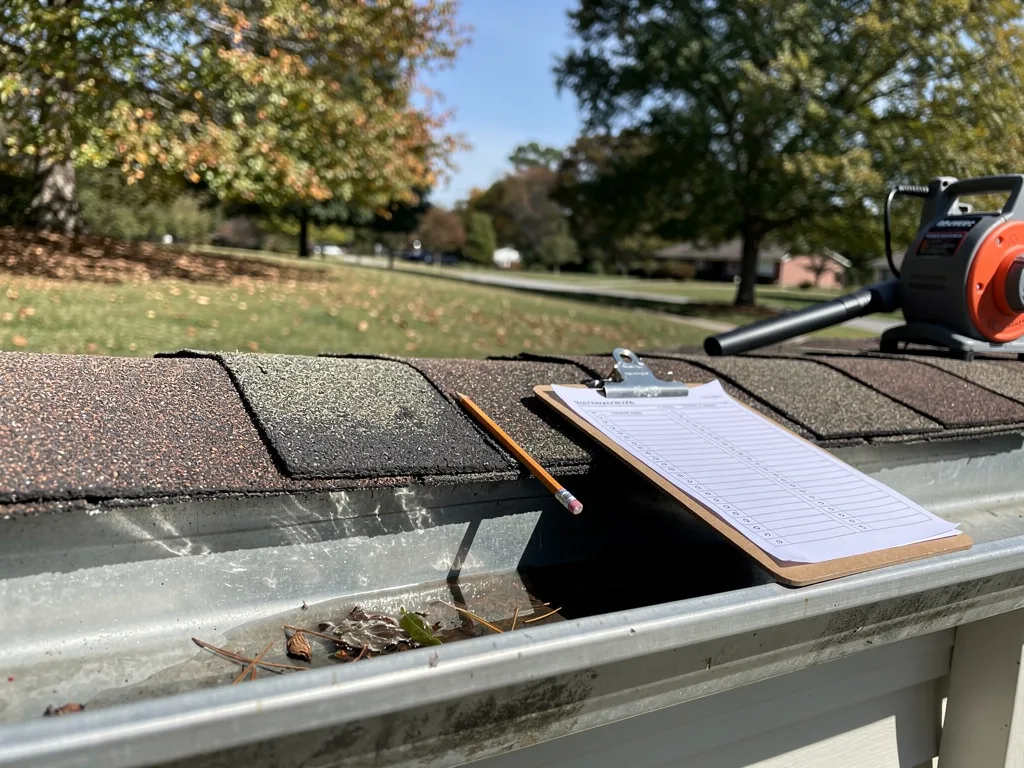
Keep a simple log. Note when you first observed a sign, how long the issue lasts after rain, and any related changes in temperature or wind. This helps roofers diagnose faster and plan a safe repair across North Carolina.
What to do if you spot a warning sign
Call North Carolina Roofing for an on-site inspection. A trained crew will assess shingles, flashing, ventilation, and attic conditions. We’ll explain the findings in plain language and map out options that fit your home and budget. Early professional input helps prevent larger problems down the road.
Remember, warning signs can appear gradually. Scheduling a timely inspection keeps small issues from turning into bigger repairs and lets you plan ahead without surprises.